

Best Calibration Service Providers for Clinics

A calibration certificate can look routine until an auditor, physician, or equipment failure exposes what is missing behind it. The best calibration service providers do more than place a sticker on a device. They help healthcare facilities verify measurement accuracy, maintain usable service records, and keep essential equipment available for patient care.
For a dental office, outpatient clinic, ambulatory surgery center, or private practice, the right provider depends on the equipment involved, the required accuracy, and how much downtime the facility can absorb. The lowest quote is not always the lowest operating cost if it requires shipping critical devices away for weeks or leaves the team with incomplete documentation.
What separates the best calibration service providers
A qualified calibration provider should understand both the instrument being tested and the clinical environment where it is used. A blood pressure simulator, infusion device analyzer, electrosurgical unit, autoclave temperature system, and patient monitor do not share the same testing requirements. A provider that treats every device as a generic asset may miss manufacturer specifications, functional checks, or related maintenance needs.
Start with traceability. Calibration results should be tied to recognized standards through a documented chain of comparison. In practical terms, the certificate should identify the device, its serial number, the test equipment used, the readings obtained, tolerances, pass or fail status, date of service, and technician or authorized reviewer. If the device is found out of tolerance, the provider should explain what happened next rather than simply issuing a result.
The best providers also make records easy to retrieve. When a surveyor or internal quality review asks for proof of service, staff should not need to search email threads, paper files, and multiple vendor portals. Clear certificates, service history, asset identification, and recommended due dates reduce that administrative burden.
Choose the service model before comparing quotes
Calibration service is not one single purchase. Facilities generally choose among on-site service, depot service, mail-in calibration, or a blended arrangement. Each model has a place.
On-site calibration is often the practical choice for equipment that is difficult to move, frequently used, or integrated into a clinical workflow. It can reduce disruption and lets technicians identify installation, power, environmental, or operator issues that may affect results. The trade-off is that on-site work may cost more per visit and may require a minimum number of devices to make scheduling efficient.
Depot or mail-in service can work well for portable instruments and noncritical backup units. A centralized laboratory may have specialized standards and a broad testing capability, but shipping, transit risk, and turnaround time must be factored into the decision. Before sending equipment out, confirm whether the facility has a backup device and whether the provider’s turnaround estimate includes repair delays.
A blended program is often the most cost-conscious approach. Keep high-use equipment in service with scheduled on-site support, while sending lower-priority portable instruments to a qualified depot. This approach can control expense without forcing the same service plan onto every asset.
Verify competence for your exact equipment
A calibration company may be capable in one category and not another. Ask specifically about the makes, models, and device types in your inventory. This matters especially for sterilization equipment, electrosurgical units, patient monitoring equipment, diagnostic instruments, and devices with manufacturer-defined verification procedures.
A provider should be able to explain whether it performs a calibration only, a preventive maintenance inspection, a functional performance verification, or repair. These services overlap, but they are not interchangeable. Calibration checks whether a measurement is within specified tolerance. Preventive maintenance may include cleaning, inspection, safety checks, replacement of wear items, and operational testing. Repair addresses an identified fault.
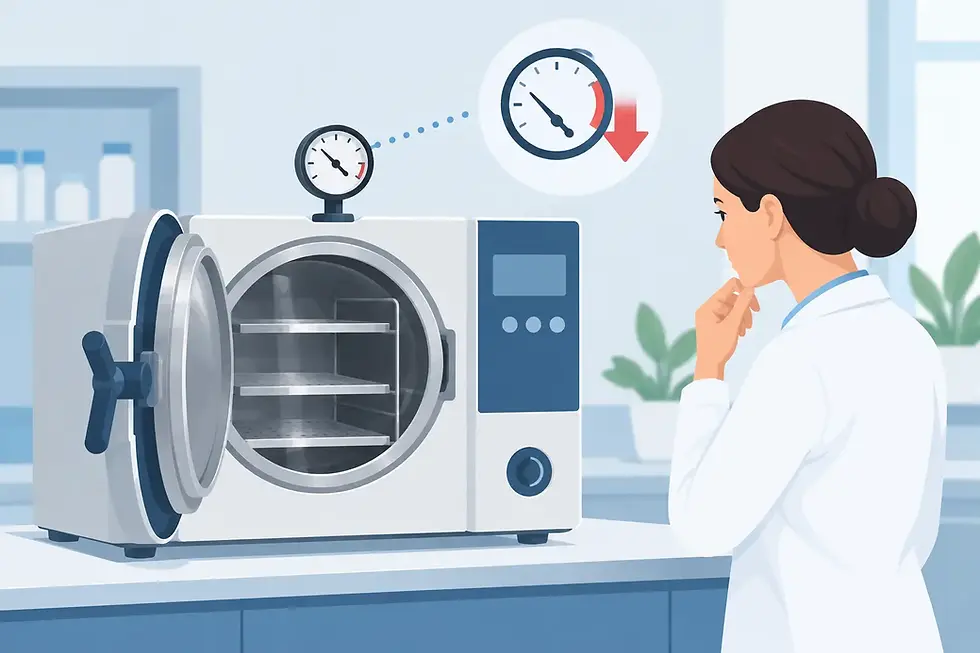
Combining these services can reduce repeat downtime when done appropriately. For example, a technician servicing a sterilizer may identify worn components or a developing performance concern while completing required checks. However, the provider should document each activity clearly. A facility needs to know what was measured, what was adjusted or replaced, and whether the device was returned to service under manufacturer requirements.
When evaluating a provider, request direct answers to these questions:
Does the company calibrate this exact device type and model, using appropriate procedures and standards?
What traceability and documentation are included with the completed service?
Can the technician perform required preventive maintenance or repair if a problem is found?
What are the normal turnaround times, and how are urgent equipment failures handled?
Does the provider supply parts, loaner options, or replacement equipment when repair is not cost-effective?
The answers reveal whether the company is positioned to support operations or simply complete a transaction.
Documentation should support compliance, not create more work
Healthcare facilities face different oversight requirements based on specialty, accreditation status, location, and the equipment they operate. A strong calibration provider will not make broad promises about compliance without understanding those details. Instead, it will provide accurate records that help the facility demonstrate a controlled maintenance program.
Ask to review a sample certificate before committing to a service agreement. Look for a unique asset identifier, manufacturer and model information, serial number, calibration date, due date, measured values where applicable, tolerance criteria, test standard identification, and a clear pass or fail determination. The certificate should also show what action was taken if the unit did not pass.
Asset tracking is equally valuable. A practice with a few instruments may manage records with a simple schedule, while a multi-location organization may need location-level inventory and recurring reminders. The right level of reporting depends on scale. Overly complicated systems can slow a small practice down, but minimal documentation may create avoidable risk for a larger facility.
Look beyond the calibration sticker
A sticker provides a due date at a glance. It does not show whether a device is safe, reliable, correctly installed, or supported with available parts. Equipment uptime depends on the full service chain: calibration capability, trained technical support, replacement part access, repair capacity, and realistic communication when a device cannot be returned to service quickly.
This is why clinics often benefit from working with a provider that understands the broader equipment lifecycle. If a calibration check finds a failed component, having to locate another vendor for diagnosis, parts, and repair can add days or weeks. A full-service partner can help determine whether repair is sensible, whether preventive maintenance can prevent another interruption, or whether replacement is the better financial decision.
IMEDTECH supports this practical approach by combining equipment service, calibration, repair, maintenance support, and replacement-part access for healthcare facilities. For practices managing sterilization equipment or electrosurgical systems, that connected support can be more useful than treating each service event as a separate purchase.
Compare total downtime cost, not just the service price
A low calibration price can become expensive if it creates missed appointments, rental costs, overtime, repeat shipping, or emergency replacement purchases. When comparing proposals, calculate the total operational impact. Include scheduling lead time, expected service duration, shipping or travel, backup equipment availability, and the process for addressing an out-of-tolerance result.
Annual agreements can be beneficial when a facility has enough equipment to justify planned visits and consistent asset tracking. They can improve budgeting and reduce missed due dates. Still, a contract should not lock a practice into vague service levels. Confirm which assets are covered, what is excluded, how repairs are quoted, whether travel is included, and what response time applies to urgent needs.
For smaller practices, per-device service may be the better fit, particularly when equipment inventory changes frequently. The key is to maintain a schedule that is based on manufacturer recommendations, usage level, risk, and facility policy rather than waiting until a problem becomes visible.
Build a calibration program that fits the facility
The right provider should make equipment oversight easier for the people responsible for it. Begin with a current asset list, including device type, manufacturer, model, serial number, location, last service date, and known issues. From there, prioritize equipment that affects patient safety, diagnosis, sterilization assurance, treatment delivery, or regulatory readiness.
Schedule work before peak patient periods, retain backup equipment when possible, and make sure staff know what to do if a device fails verification. A dependable calibration relationship is not just about meeting a date on a sticker. It is about having a clear path forward when a critical device needs attention and patients are waiting.


Comments