

Preventive Maintenance Services for Medical Equipment

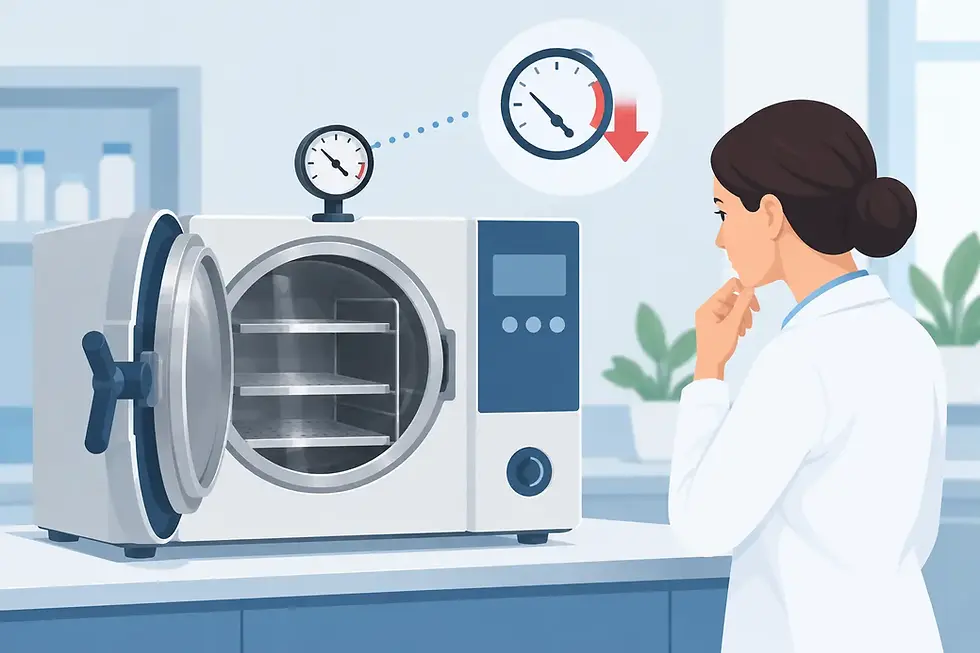
A failed autoclave at 7:30 a.m. can throw off an entire day of patient care. The same goes for an out-of-calibration electrosurgery unit, a vital signs monitor with inconsistent readings, or a suction system that starts acting up between appointments. Preventive maintenance services for medical equipment exist to stop those problems before they interrupt your schedule, affect patient safety, or turn a manageable issue into an expensive repair.
For private practices, dental offices, outpatient clinics, and ambulatory care providers, maintenance is not just a technical checkbox. It is part of operational control. When equipment is inspected, cleaned, calibrated, tested, and serviced on a planned schedule, you reduce avoidable downtime and get more predictable performance from the devices your team depends on every day.
What preventive maintenance services for medical equipment actually include
Preventive maintenance is planned service performed before a device fails. The scope depends on the equipment type, manufacturer recommendations, usage volume, and the risk tied to device performance. In practical terms, it usually means a technician evaluates the equipment’s condition, checks wear items, verifies function, performs required calibration, and replaces parts that are likely to fail with continued use.
For many healthcare facilities, this work covers sterilizers, autoclaves, exam room equipment, monitors, electrosurgical units, suction systems, and other clinical devices that need consistent performance. A proper service visit may include temperature and pressure verification, inspection of gaskets and valves, electrical safety checks, lubrication where appropriate, software or control testing, calibration of key outputs, and documentation for maintenance records.
That documentation matters more than many practices realize. A well-run maintenance program creates a service history you can reference when performance trends start to shift, when auditors ask for records, or when you need to decide whether to repair, refurbish, or replace a unit.
Why scheduled service matters more than reactive repair
Reactive repair feels cheaper until it is not. If you wait until equipment fails, you are usually paying for more than the repair itself. You may also be dealing with canceled appointments, staff disruption, rushed shipping for replacement parts, emergency technician scheduling, and the cost of using backup equipment or outsourcing work.
Scheduled maintenance changes that equation. It gives you a chance to catch a worn seal before it causes a leak, replace aging components before they damage adjacent parts, and correct calibration drift before it affects performance. In busy care settings, that kind of planning protects both revenue and workflow.
There is also a compliance side to consider. Many medical devices require regular inspection, testing, and calibration to support safe use and manufacturer expectations. The exact requirements vary by device and facility, but the larger point is consistent: maintenance is part of responsible equipment ownership. When service is delayed too long, risk increases.
The real cost of skipping preventive maintenance services for medical equipment
The most obvious cost is downtime, but it is rarely the only one. Equipment that runs without proper upkeep often loses efficiency before it stops working completely. Sterilizers may take longer cycles or fail validation checks. Electrosurgery units may show output inconsistencies. Monitors can develop accuracy issues that are subtle at first and serious later.
Those issues affect daily operations in ways that are easy to underestimate. Staff spend time troubleshooting. Patients wait longer. Clinical teams lose confidence in the equipment. Managers end up making rushed purchasing decisions because a repair that could have been scheduled now has to happen immediately.
There is a financial trade-off here. Yes, preventive service is a recurring expense. But for most practices, it is a controlled expense that helps avoid larger, less predictable costs. The older and more heavily used the equipment, the more valuable that predictability becomes.
Which equipment should be prioritized first
Not every device needs the same level of attention. If you are building or tightening a maintenance program, start with equipment that directly affects patient safety, sterilization, diagnostic accuracy, or procedure continuity.
Sterilization equipment is a common first priority because performance problems create both clinical and operational consequences. A malfunctioning autoclave can stop instrument processing and disrupt the full schedule behind it. Electrosurgery equipment is another area where regular inspection and calibration matter, especially in practices where output consistency is critical to procedures.
From there, look at frequency of use and replacement cost. A device used all day, every day usually deserves a closer maintenance interval than one used occasionally. Equipment with expensive components or longer repair lead times should also move higher on the list. If a single failed unit can slow down multiple rooms or providers, it belongs in a preventive plan.
What to look for in a service partner
Not all service providers approach maintenance the same way. For healthcare facilities, the right partner should offer more than basic field service. You need technical depth, fast response, and practical support that fits the way your operation actually runs.
A strong provider will understand the specific equipment in your facility, including common failure points, manufacturer guidance, calibration needs, and the parts most likely to require replacement. They should be able to explain what is included in a preventive visit, what is excluded, how service intervals are set, and what documentation you will receive afterward.
Speed matters too. Even planned maintenance has to be coordinated around patient care, staff availability, and room turnover. If your service partner is hard to reach or slow to schedule, the value of a maintenance program drops quickly. Practices benefit most from providers that can combine parts access, repair support, and preventive service in one relationship. That reduces handoffs and makes follow-up easier when a technician identifies an issue during inspection.
For many facilities, affordability is just as important as expertise. That does not mean choosing the lowest quote. It means finding a provider that helps you control total equipment cost over time with realistic service plans, dependable parts availability, and clear recommendations about whether to repair or replace.
How a maintenance schedule should be built
The best schedule is based on equipment risk, usage, age, and manufacturer recommendations - not guesswork. High-use devices may need more frequent service than the minimum suggested interval, while lightly used equipment may only need annual attention. A newer device under stable use conditions may be straightforward to plan for. An older refurbished unit can still be a smart investment, but it often benefits from closer monitoring.
It also helps to group service by department or equipment type when possible. Bundling maintenance visits can reduce disruption and make scheduling easier for office managers and biomedical staff. If your facility has multiple sterilizers, procedure units, or monitoring devices, coordinated service windows can keep the workload manageable.
Keep the schedule visible and assign ownership internally. Even with a good service provider, missed maintenance often happens because no one is accountable for confirming dates, preparing equipment, or reviewing service reports. One person should own the calendar, even if multiple departments use the equipment.
Signs your current program needs improvement
If maintenance is only happening after breakdowns, that is the clearest warning sign. But there are others. Repeated repairs on the same device, rising emergency service costs, inconsistent calibration records, and difficulty locating past service documentation all point to a weak maintenance process.
Another sign is when staff start compensating for equipment problems as part of normal work. If a team member says a unit "usually needs a second try" or "acts up first thing in the morning," the equipment is already telling you something. Those small workarounds often precede larger failures.
A better approach is to treat service data as an operating tool. If the same components are wearing out early, your service interval may need adjustment. If one device consumes repair dollars faster than expected, replacement may make more sense. Good preventive maintenance is not static. It should evolve with the age and performance of your equipment fleet.
A practical approach for busy practices
Most facilities do not need a complicated maintenance strategy. They need one that gets done consistently. Start by identifying your highest-risk equipment, confirming manufacturer recommendations, and building a service calendar that matches actual usage. Then work with a provider that can handle maintenance, calibration, parts, and repair support without sending you in three different directions.
That is where a full-service model makes a real difference. Companies such as IMEDTECH support practices not only with equipment sales, but also with maintenance, repair, calibration, replacement parts, and practical technical support. For clinics trying to stay ahead of downtime while controlling budgets, that kind of consolidated support is often more efficient than managing multiple vendors.
Reliable equipment does not happen by accident. It comes from scheduled attention, good records, and fast action before small issues become major disruptions. If your equipment is central to patient flow, sterilization, or procedure readiness, preventive service is not extra overhead. It is part of keeping the doors open and the day on track.
The smartest maintenance plan is the one your team can actually follow - and the one that keeps your equipment ready when patients are already on the schedule.


Comments